
 Pascal Rabevolo · · Songs, films and French culture

“The Windmills of My Heart” by Michel Legrand, a true love anthem in French song but also a perfect illustration of the figure of speech known as comparison.

Here’s a more recent version by Slimane:

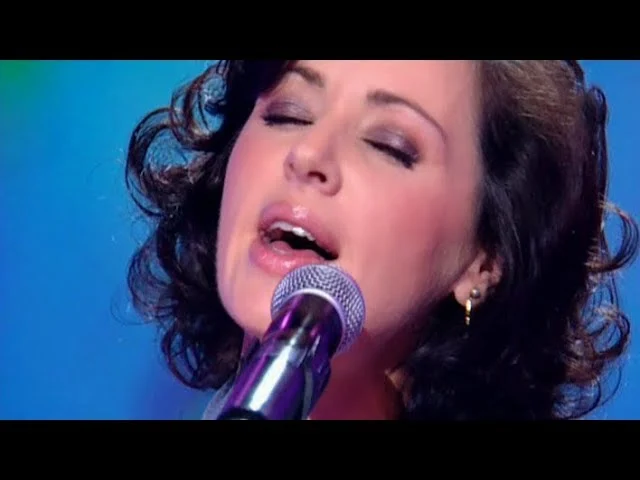
And of course, the bilingual version by Tina Arena, “The Windmills of Your Mind,” with her beautiful accent:
Here is the original lyrics.
Like a stone thrown into the living water of a stream
That leaves behind it thousands of ripples on the water
Like a carousel of the moon with its horses of stars
Like Saturn’s ring, a carnival balloon
Like the round path the hours never stop walking
The journey around the world of a sunflower in bloom
You turn by your name all the mills of my heart
Like a skein of wool in the hands of a child
Or the words of a ditty caught in the harps of the wind
Like a snow whirlwind, like a flight of seagulls
Over forests of Norway, over flocks of the ocean
Like the round path the hours never stop walking
The journey around the world of a sunflower in bloom
You turn by your name all the mills of my heart
That day near the spring, God knows what you told me
But summer ended its course, the bird fell from its nest
And now on the sand our footsteps already fade away
And I am alone at the table that echoes beneath my fingers
Like a tambourine weeping beneath the raindrops
Like songs that die as soon as they are forgotten
And the autumn leaves meet skies less blue
And your absence gives them the color of your hair
A stone thrown into the living water of a stream
That leaves behind it thousands of ripples on the water
In the wind of the four seasons, you turn by your name
All the mills of my heart
Pedagogical process:
The term “comparison” originates in 1174 in the work of Saint Thomas Aquinas, De Potentia. The term is expressed by the Latin comparatio, in the sense of “action of comparing to highlight similarities and differences.”
The first to truly use the term comparison was Aristotle. In the third book of the Rhetoric, the philosopher distinguishes between metaphora and eikon, which involves a “comparative” and a “compared” element.
Little by little, comparison became one of the most popular figures of speech.
For example, Homer used it extensively in the Iliad and the Odyssey, so much so that we now speak of “Homeric comparison”: “And the land was near, and it appeared to him like a shield upon the dark sea.”
Reformulation: Observe the comparisons in the text and explain them in your own words.
Some fun exercises to practice and better understand this figure of speech:
https://www.francaisfacile.com/exercices/exercice-francais-2/exercice-francais-65322.php
or
https://www.francaisfacile.com/exercices/exercice-francais-2/exercice-francais-3564.php
Understanding and differentiating comparison from metaphor:
https://www.francaisfacile.com/exercices/exercice-francais-2/exercice-francais-122544.php
In the lyrics of the song, replace the comparative “like” with another comparative from a provided list.
Writing:
Imagine other comparisons on this universal theme of love.