
 Pascal Rabevolo · · Songs, films and French culture

Native French speakers have less than five seconds to remember which year it is…
It’s one of the most famous songs by “Cloclo” that can serve as a support for an A2-B1-B2 activity;
Morphology and values of past tenses:
1: Identify the imperfect tense forms and justify them.
2: Why are some verbs in the present or past perfect tense?
Rewriting: Choose the year of your choice and modify the text based on the events of that year… You can choose your birth year, for example.
Text comprehension: Scroll through the text to make people guess which year it is before the end of the song…
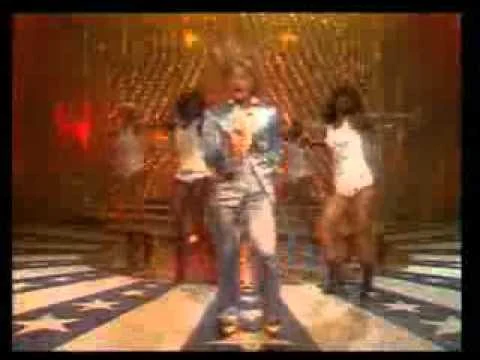
Interdisciplinary activity: Have students learn the choreography to sing it in karaoke mode in groups of 5 to embody Cloclo and his 4 Clodettes…
That year
I sang for the first time
The audience didn’t know me
Which year was that year
That year
Rock ‘n’ roll had just spread its wings
And in my corner, I sang beautiful, beautiful, beautiful
And the audience loved it
Already, the Beatles were four lads in the wind
And my song said, “Walk straight ahead”
That year
What joy to be the idol of the young
For fans who broke chairs
The more I think about it, the less I forget
I discovered my first and last love
The only, the great, the one and only, and forever the audience
That year
In the sky, a music was passing
A bird they called Sputnik
Which year was that year
That’s when we said goodbye to Marilyn, with her golden heart
While West Side Story broke all records
That year
The guitars were shooting at the violins
We thought a revolution was coming
That year
It was yesterday, but today nothing has changed
It’s the same job that starts again tonight
It was the year sixty-two
It was the year sixty-two
It was the year sixty-two
It was the year sixty-two
Historical context:
Here, we trace events that took place in 1962, both on a personal level (his encounter with his audience, his first success Belles, belles, belles, his song Marche tout droit released in February 1963), and on the international stage:
- the first 45 of The Beatles, Love Me Do, released on October 5, 1962;
- the launch of Sputnik satellites between 1957 and 1961 (unlike what the song says, Sputnik 1 emitted a sound, a “beep-beep,” in 19578,9);
- the death of Marilyn Monroe, on August 5, 1962;
- the release of the film West Side Story in France;
- the beginnings of Johnny Hallyday (L’idole des jeunes, fans breaking chairs during his early concerts).
The little story behind this song:
The song is a cover of the hit December, 1963 (Oh, What a Night) by Frankie Valli & The Four Seasons, with a melody by Bob Gaudio, released in 1975 and which became No. 1 in the United States the following year.
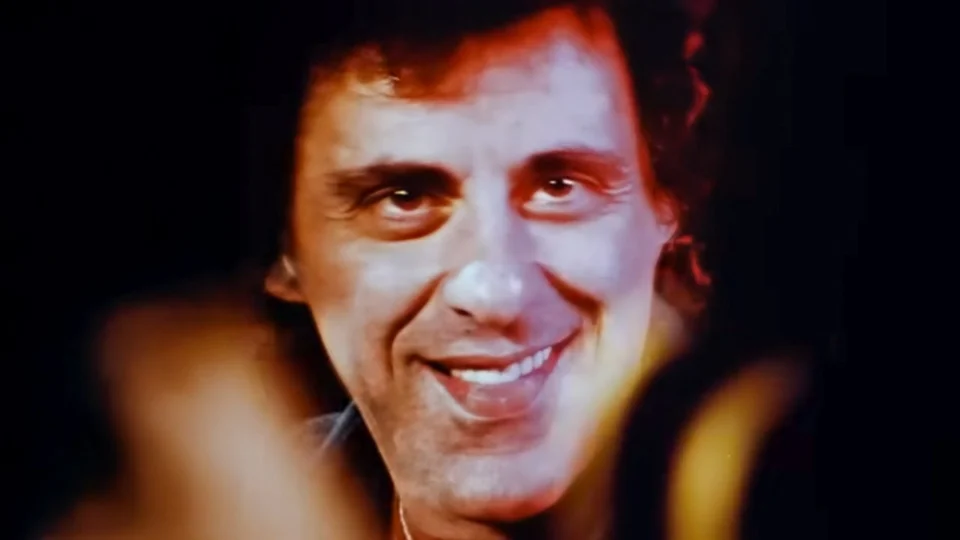
“While Claude François was looking for new songs in the offices of his Flèche label. He rummaged through a drawer in his artistic director’s office and found this record by Frankie Valli that Bourtayre had discarded. Thrilled, he asked his lyricist to write the lyrics in French, with references to his early days in 19621.
The song was released in July 1976 as the B-side of Claude François’ fifty-fourth single, La Solitude, c’est après. Given the lack of success of the A-side, a slower song (Claude François’ fans preferred him in more upbeat music), the singer decided to swap the two tracks and re-release the single in the summer of 1976. The song sold over 200,000 copies, and Claude François also recorded an Italian version (Quell’ anno là) the same year.
This true hit was almost unchanged and brought up to date
in M. Pokora’s version:
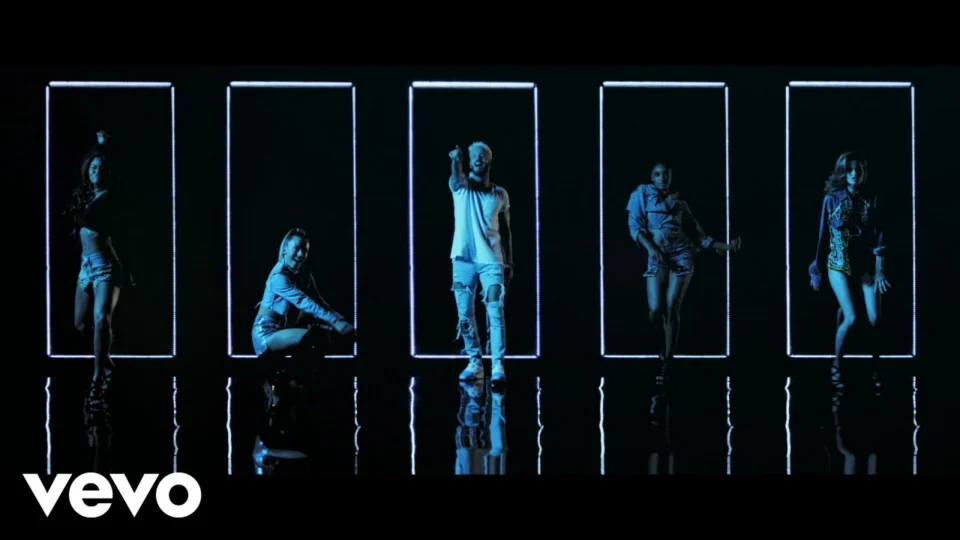
However, it’s mainly the orchestration that Yannick reworked by revisiting the entire text:
The singer, who heard the song at a wedding party at a friend’s house, sold over one million seven hundred thousand copies of his cover.
Note that the choreography, however, remains unchanged…