 Pascal Rabevolo · · Preparing for a French exam
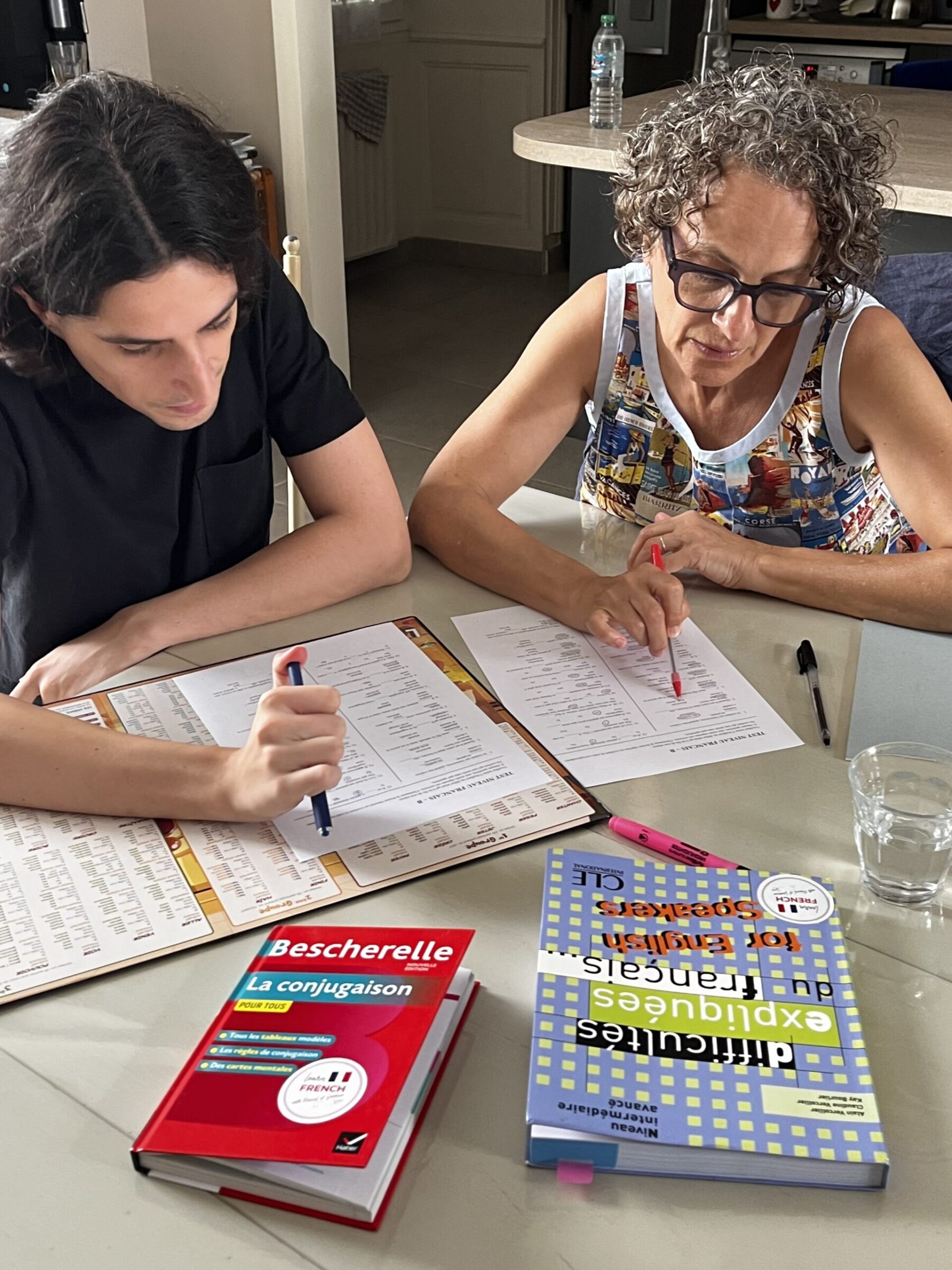
The written French test for the Diplomatic Career entrance exam (2nd test of the exam) is an eliminatory test designed to assess the candidate’s linguistic level (C1/C2), synthesis skills, analytical rigor, and strategic expression abilities.
Being guided and encouraged by a native language coach is a considerable asset—here’s why:
Being mentored by a native language coach—ideally specialized in preparing for high-level civil service or diplomatic corps exams—offers decisive benefits that go beyond traditional language learning.
1. Mastering the “code” and diplomatic register
Diplomatic French is not just about correctness: it adheres to strict codes of institutional politeness, restraint (understatement), and conceptual precision.
- A native speaker immediately identifies subtleties in register and eliminates overly familiar jargon or, conversely, artificial pomposity.
- They help you effortlessly use specialized vocabulary from foreign affairs (“driving power,” “convergence of views,” “interpretation reservations”).
2. Surgical detection of linguistic calques (Hispanisms)
For a Spanish-speaking candidate, even at C1/C2 level, the main risk lies in structures calqued from Spanish (syntax, prepositions, false friends) that distort the elegance of discourse.
- A native coach instantly spots awkward phrasing (e.g., overuse of the passive voice or misplaced complements) and forces you to adopt the French way of thinking: direct, logical, and rigorously structured.
3. Mastering French rhetoric and structure
French academic and diplomatic tradition favors a highly codified thought structure (the binary I.A/I.B – II.A/II.B plan or ternary, the art of the problem statement, systematic nuance).
- The native coach doesn’t just correct your mistakes: they challenge the coherence of your argumentation and teach you the art of elegant transitions between ideas.
4. Training for quick responses (jury interview)
During the oral exam, the MAEC jury tests your reactivity, stress management, and ability to defend a position without losing your composure.
- Training with a native recreates the real pressure of the interview: they may interrupt you, rephrase your statements, or ask destabilizing questions using rapid idiomatic turns that you must grasp on the fly.
5. “Insider” general culture
A native coach provides a deep understanding of Francophone debates, French political life, and how Paris perceives its own diplomacy. This helps avoid cultural or historical misunderstandings during the presentation.
Structure of the written test
The written language test typically lasts 2 hours and revolves around a documentary dossier (often a long text or a set of documents on political, economic, social, or geopolitical current affairs from Francophone press or specialized publications such as Le Monde, Politique étrangère, or Le Monde diplomatique).
The exercise is divided into two inseparable parts:
1. Text summary (Resumen)
- Task: Reduce an original text (about 1,000 to 1,500 words) to a quarter or fifth of its initial length (usually a required format of about 250 to 300 words, with a ±10% tolerance).
- Objective: Extract the logical framework and the author’s central thesis without distorting their thought, adding no personal opinions, and avoiding literal paraphrasing.
2. Essay / Argumentative commentary (Ensayo / Comentario)
- Task: Write a structured argumentative text (about 500 to 700 words) based on a question or quote from the dossier.
- Objective: Develop a personal, nuanced, and well-documented reflection on a geopolitical, economic, or institutional issue related to the Francophone world or international relations.
Key requirements & Evaluation criteria of the Jury
The MAEC jury evaluates papers based on four main criteria:
| Criterion | Expected requirements | Eliminatory errors |
| Language mastery (Register) | Diplomatic, refined, and impersonal style. Use of specialized vocabulary in international relations. | Grammar/agreement errors, Anglicisms, Spanish linguistic calques (“false friends”). |
| Synthesis ability (Summary) | Strict adherence to word count, faithfulness to the text’s ideas, absolute neutrality, personal reformulation of concepts. | Exceeding the required word count, adding personal judgments, literal “copy-paste” of text phrases. |
| Rigor of demonstration (Essay) | Classic French structure (Introduction with problem statement and plan outline, 2 or 3 balanced sections, concise and open conclusion). | Unbalanced plan, lack of transitions, vague or overly general statements without concrete examples. |
| General culture & Geopolitics | Use of historical, legal (international/EU law) and current affairs references linked to Spanish and French diplomacy. | Factual errors about institutions, conceptual off-topic. |
Recommended methodology for exam day
- Time management (2 hours):
- 15 min: Critical reading of the dossier, note-taking, and identifying the main thread.
- 30 to 35 min: Writing the summary (draft + strict word count + final version).
- 10 to 15 min: Developing a detailed outline for the essay.
- 45 min: Writing the essay.
- 15 min: Thorough orthographic and grammatical review (essential to avoid losing language points).
- Style to adopt:
- Favor complex but clear sentences, linked by formal logical connectors (in addition, nevertheless, consequently, it should be noted that).
- Avoid using “I”; instead, use passive voice, “we” for reflection, or third person (“it appears that,” “analysis demonstrates”).
Here are 3 good reasons to contact me:
1: A C1/C2 level is not enough to join the diplomatic corps: you must master its codes.
As a native coach, I help you eliminate translation reflexes, structure your thinking in the French way, and impress the MAEC jury with the ease of a diplomat.
📩 Ready to make a difference in both written and oral exams? Contact me today to assess your preparation.
2: Between a correct speech and a brilliant performance, the difference lies in the details: the precision of a legal term, the nuance of a transition, the confidence in front of the jury.
Don’t let a linguistic calque or lack of fluency jeopardize years of hard work.
🚀 Take it to the next level. Book your free diagnostic session now.
3: Turn your academic French into a true diplomatic tool.
Benefit from tailored coaching by a native specialist in the requirements of high-level civil service exams.
💬 Email me to design your personalized training program based on your learning profile.
#CarreraDiplomatica #MAEC #Oposiciones #Diplomacia #CoachingFrancais #FrancaisDiplomatique #OpositoresMAEC #Opodudas